
Discover Allulose — a low-calorie sweetener that helps food manufacturers explore reduced-sugar formulations without giving up the taste and functionality that consumers expect.

Smart Ingredients has received FSSAI approval to import Allulose into India. We aim to help food manufacturers, beverage companies, bakeries, ice cream brands and nutrition-focused businesses explore the potential of this innovative sweetener in their product formulations.
1. What Is Allulose?
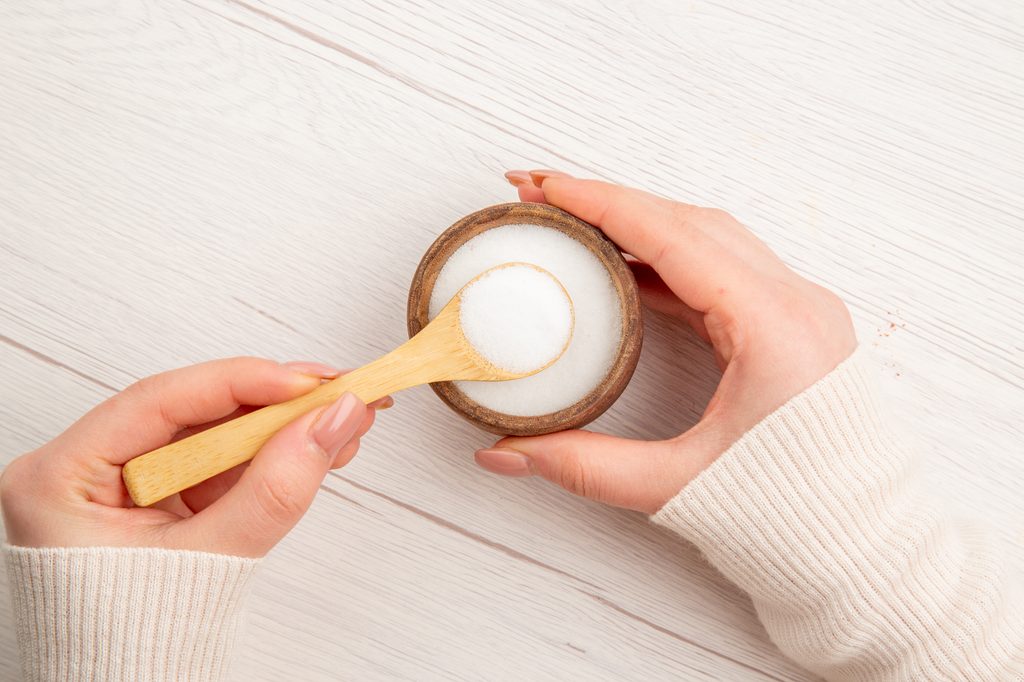
Allulose, also known as D-allulose or D-psicose, is a rare sugar found naturally in very small quantities in certain foods, including figs, raisins and wheat. It belongs to the family of monosaccharides, the simple sugars that include glucose and fructose. Although Allulose has a chemical structure similar to conventional sugars, the body handles it differently. A large proportion is absorbed but is not metabolised in the same way as glucose or sucrose, resulting in a much lower energy contribution. Allulose is commercially produced for use as a sweetening ingredient in food and beverage formulations. Unlike high-intensity sweeteners such as stevia and sucralose, Allulose is a sugar-like ingredient. Its value lies not only in sweetness but also in the functional characteristics it can contribute to a formulation.
How sweet is Allulose?
Allulose is generally reported to provide approximately 70% of the sweetness of sucrose, although the perceived sweetness depends on the food matrix, temperature, acidity and other ingredients. This means that replacing sugar with Allulose is not always a straightforward one-to-one substitution. Formulators may need to adjust sweetness, solids, texture and other functional parameters to achieve the desired result.
2. Why Is Allulose Attracting Attention?
Sugar reduction has become an important product-development objective across food and beverage categories. Manufacturers are exploring ways to lower sugar content while maintaining consumer acceptance. However, sugar performs several functions beyond sweetness. It contributes to bulk, viscosity, moisture retention, freezing-point depression, aeration, browning and the physical structure of many foods. This is why replacing sugar can be particularly challenging in products such as ice cream, biscuits, cakes, chocolate-style products, sauces and beverages.Allulose is attracting interest because it combines a relatively low energy contribution with sugar-like characteristics. Depending on the formulation, it may help manufacturers address several product-development challenges at once.
Its potential is particularly relevant to:
- Reduced-sugar food and beverage products.
- Low-calorie dessert and frozen dessert formulations.
- Bakery products requiring sweetness and browning.
- Nutrition-oriented and carbohydrate-conscious product concepts.
- Premium products positioned around sugar reduction.
3. What Are the Benefits of Using Allulose?
3.1 Low-calorie sweetening
One of the principal advantages of Allulose is its low energy contribution. Under US FDA guidance, manufacturers may use an energy value of 0.4 kcal/g for nutrition labelling purposes. This can help formulators explore products with lower calculated energy content when Allulose replaces a portion of conventional sugar. The actual calorie reduction depends on how much sugar is replaced and whether additional ingredients are required to restore bulk, texture or other functional properties.
3.2 Reduced impact on post-meal blood glucose
Allulose is metabolised differently from conventional sugars and generally has a much smaller direct effect on blood glucose. A 2024 meta-analysis of six clinical studies involving 126 participants with type 2 diabetes reported a reduction in post-meal glucose exposure, although the evidence base remains limited and further research is needed. This makes Allulose an ingredient of interest for researchers and manufacturers working on reduced-sugar food concepts. It should not, however, be presented as a treatment for diabetes or as a guarantee that a finished product is suitable for people with diabetes.
3.3 A sugar-like taste profile
Allulose offers a familiar sweetness profile that can be useful in formulations where manufacturers want to avoid the pronounced aftertaste sometimes associated with certain high-intensity sweeteners. Its sweetness is lower than that of sucrose, so achieving the desired sweetness may require a higher inclusion level or a carefully designed sweetener blend. The final sensory outcome should be evaluated through bench trials and consumer or trained-panel testing.
3.4 Browning and colour development
Allulose can participate in browning reactions during heating. This property can be useful in bakery products, baked desserts, sauces and other heated foods where colour development is important. However, the same property requires careful process control. Allulose may brown more rapidly than sucrose in some formulations, so baking temperature, time, pH and moisture need to be optimised.
3.5 Potential contribution to texture and mouthfeel
Unlike high-intensity sweeteners used at very low concentrations, Allulose can contribute dissolved solids to a formulation. It may therefore help support some aspects of mouthfeel, viscosity or body. Nevertheless, it does not replicate every structural role of sugar. Products such as biscuits, cakes, ice cream and confectionery may require additional adjustments to fibres, starches, proteins, fats or other bulking ingredients.
3.6 Useful functionality in frozen desserts
In frozen systems, dissolved sugars influence the freezing point and the amount of ice formed at a given temperature. Allulose can contribute to freezing-point depression and may influence scoopability, hardness and ice-crystal behaviour. This makes it worth evaluating in reduced-sugar ice cream and frozen dessert concepts. The result will depend on the complete sweetener system, total solids, stabilisers, fat content and freezing process. Allulose should be tested as part of the whole formulation rather than as an isolated ingredient.
4. Applications of Allulose Across the Food Industry
4.1 Beverages and functional drinks
- Reduced-sugar flavoured water.
- Ready-to-drink beverages.
- Flavoured milk and dairy-based drinks.
- Plant-based beverages.
- Functional beverages.
- Powdered drink mixes.


4.2 Ice cream and frozen desserts
- Reduced-sugar ice cream.
- Premium frozen desserts.
- Gelato-style products.
- Frozen yoghurt.
- Dairy-free frozen desserts.
- High-protein frozen desserts.
4.3 Bakery products
- Cookies and biscuits.
- Cakes and muffins.
- Brownies.
- Baked dessert products.
- Selected pastry applications.


4.4 Sauces, dressings and condiments
- Tomato-based sauces.
- Barbecue sauces.
- Cooking sauces.
- Selected dressings.
- Marinades and glazes.
- Sweet-and-sour condiments.
4.5 Confectionery and sweet snacks
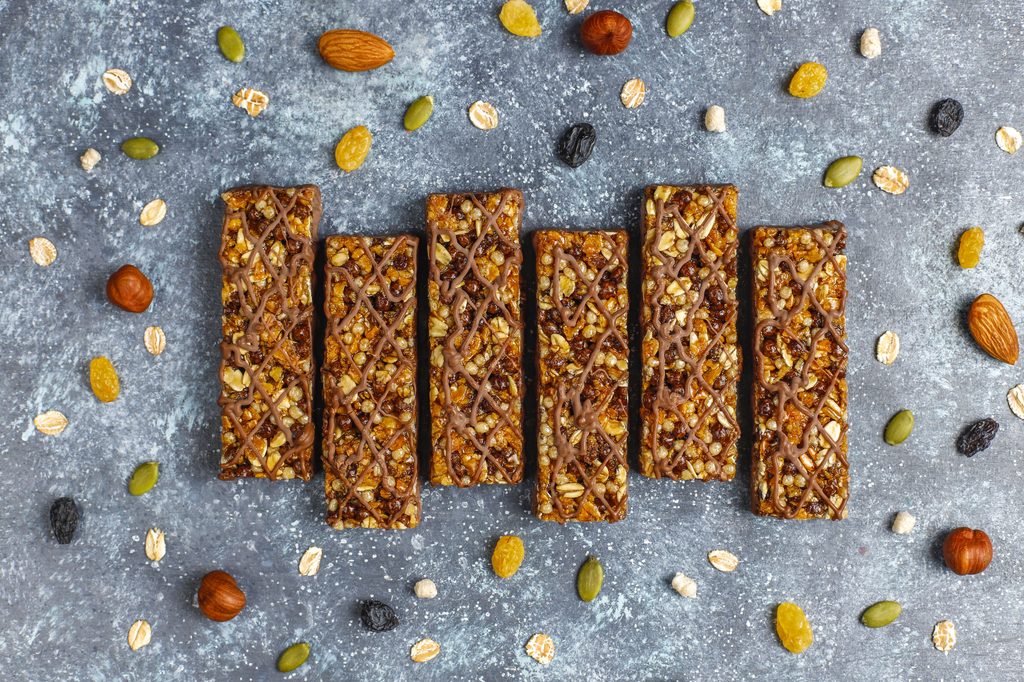
- Soft baked snack bars.
- Reduced-sugar dessert components.
- Selected fillings and toppings.
- Certain confectionery systems.
4.6 Yoghurt and dairy products
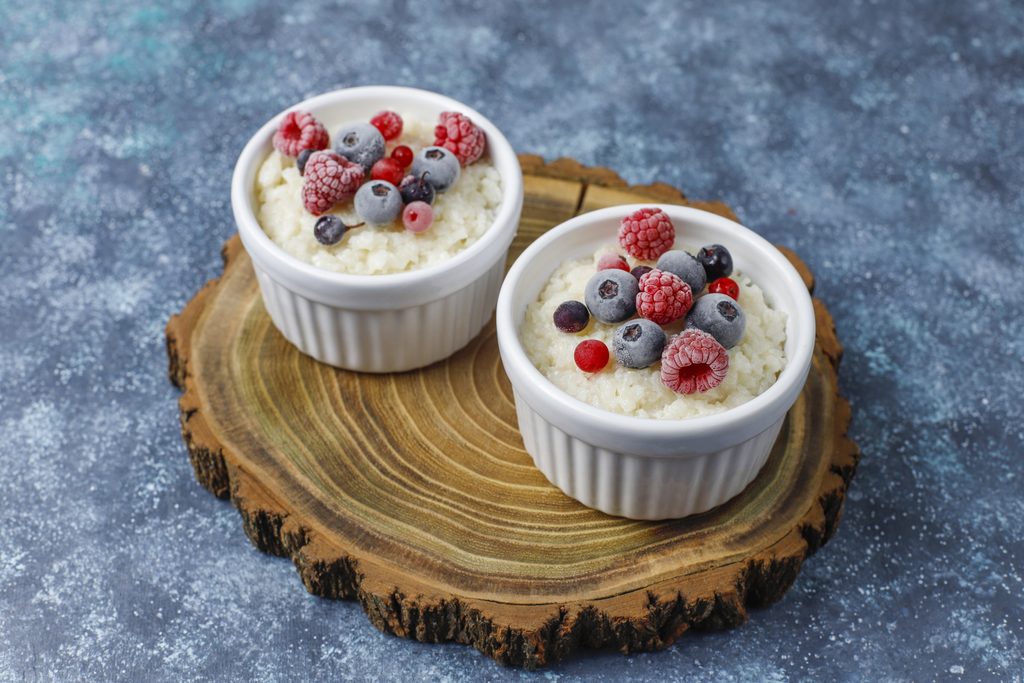
- Flavoured yoghurt.
- Dairy desserts.
- Puddings.
- Milk-based dessert products.
- Selected cultured dairy formulations.
4.7 Nutrition and protein products
- Protein beverages.
- Protein powders and drink mixes.
- Reduced-sugar nutrition bars.
- Meal-replacement concepts.
- Selected sports nutrition products.
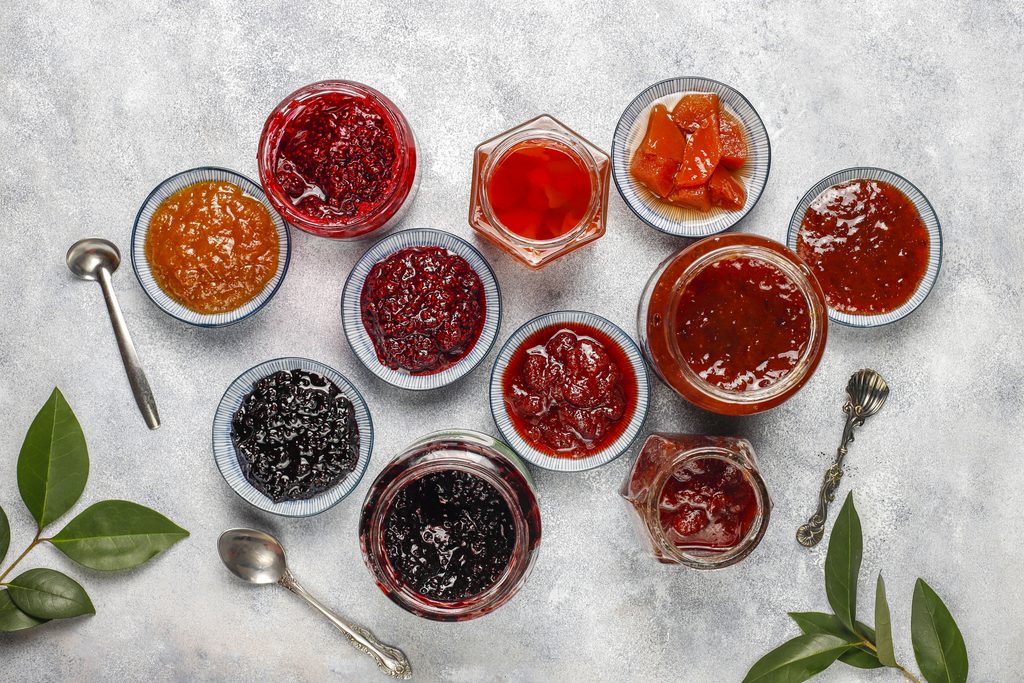
4.8 Jams, fruit preparations and dessert toppings
Allulose can be evaluated in selected fruit-based spreads, fillings and toppings where sugar reduction is desired.
5. How Can Smart Ingredients Help Brands Develop Products Using Allulose?
At Smart Ingredients, we see Allulose as more than a sweetening ingredient. It is a potential tool for food manufacturers seeking to develop new reduced-sugar product concepts. We aim to support customers from initial ingredient evaluation through formulation trials and scale-up planning.
Contact Smart Ingredients with your product category, current sugar usage, target sugar reduction and approximate production requirements. Our team can discuss ingredient suitability, documentation and the next steps for formulation evaluation.
Email: sales@smartingredients.in
Regulatory note: Smart Ingredients has received FSSAI approval to import Allulose. Import approval should not be interpreted as blanket authorisation for every food category, formulation, use level or consumer claim. Indian regulatory requirements and labelling rules must be verified for the intended application before commercialisation.